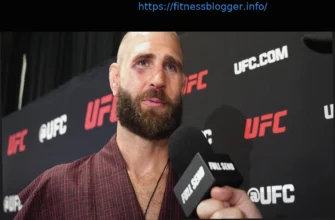

UFC welterweight champion Kamaru Usman has stepped forward to offer his perspective on the controversial comments made by former lightweight king Khabib Nurmagomedov regarding female fighters. Nurmagomedov’s statement, suggesting that female fighters are “weak” and that MMA is “not women’s sport,” drew significant criticism from various corners of the combat sports world and beyond. However, Usman believes the remarks have been largely misunderstood and taken out of their original context.
Speaking about the furor, Usman defended his fellow fighter, emphasizing that Khabib’s cultural background and specific upbringing often influence his public statements. “I think a lot of people took what Khabib said out of context,” Usman stated. “When you understand his culture, when you understand where he comes from, there are certain things that are just not acceptable in his world. It’s not to say he looks down on women or thinks they can’t fight. It’s more about his deeply ingrained beliefs on what is appropriate for women in *his* specific culture and religion.”
Usman elaborated, suggesting that Khabib’s intent was not to universally devalue female athletes but rather to express a viewpoint rooted in his traditional Dagestani values, where the roles of men and women are often seen through a different lens than in Western societies. “He’s a very traditional guy, and he speaks from that perspective,” Usman continued. “It’s not about being ‘weak.’ It’s about a different perspective on roles. For him, seeing women fighting in a cage might simply not align with his traditional view of womanhood, not an attack on their capabilities.”
The comments by Nurmagomedov originally sparked widespread debate, with many athletes and fans condemning them as sexist and dismissive of the achievements of female fighters in MMA. Despite the backlash, Usman’s defense attempts to provide nuance, urging critics to consider the cultural lens through which Khabib’s words might have been uttered, rather than a universal declaration of female inferiority. Usman’s intervention aims to shift the narrative, suggesting that a lack of cultural understanding might have fueled the intensity of the controversy.