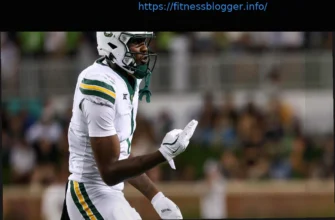

The Los Angeles Rams’ selection of quarterback Ty Simpson as the 13th overall pick in the recent NFL draft was met with considerable surprise by many observers. However, new information suggests that the team’s initial intentions were to acquire him at a later stage in the draft.
In essence, the Rams’ acquisition of Ty Simpson at pick number 13 was not their primary target for that specific position in the draft. Sources indicate a strategic maneuver where the team aimed to trade down and secure Simpson further down the draft order. This suggests a belief in the Rams’ front office that Simpson represented a valuable asset, but not necessarily one they were willing to invest a top-13 pick in without exploring alternative options.
The unexpected move to draft Simpson so early has sparked considerable discussion about the Rams’ draft day decision-making process and their long-term quarterback plans. It raises questions about whether they felt pressure to make a move, or if this early selection was part of a larger, more complex strategy involving potential trades or other draft picks.
The underlying sentiment is that the Rams were aiming for a different draft scenario, one where they could potentially trade back and still land their desired quarterback prospect. The fact that they ultimately chose to use their 13th overall pick on Simpson implies a shift in strategy or a strong conviction that the opportunity to draft him might not have presented itself later on.
English Translation:
The Los Angeles Rams’ decision to draft quarterback Ty Simpson 13th overall in the recent NFL draft surprised many. However, new insights reveal that the team had actually hoped to select him later in the draft.
Essentially, the Rams’ acquisition of Ty Simpson at the 13th pick was not their initial preference for that particular draft slot. Reports suggest a strategic approach where the team intended to trade back and secure Simpson at a lower position in the draft order. This implies the Rams’ front office believed Simpson was a valuable asset, but perhaps not one they were committed to selecting with a top-13 pick without exploring other avenues.
The unexpected choice to draft Simpson so early has prompted significant debate regarding the Rams’ draft day decision-making and their future quarterback aspirations. It raises questions about whether they felt compelled to act, or if this early selection was part of a more elaborate strategy involving potential trades or other draft capital.
The core takeaway is that the Rams were aiming for a different draft outcome, one where they could potentially trade down and still secure their target quarterback prospect. The fact that they ultimately opted to use their 13th overall pick on Simpson suggests a change in strategy or a strong conviction that the chance to draft him might not have been available later.